

Category: Ciceronian Vocabulary
-

7. Metus: fear and its vocabulary
After our rest at Tusculum, I hope we are more aware of what it is we are trying to accomplish. We can now begin to understand that what it is that we are talking about here is not just theoretical. It is meant to change the way we think and…
-

6. A Tusculan Repose
In late March 45 BCE, Cicero was at his villa near Tusculum writing philosophy. This villa was his favourite place in the world, and he had gone there to console himself after the death of his much beloved daughter Tullia. At the time, Rome was also going through a massive…
-
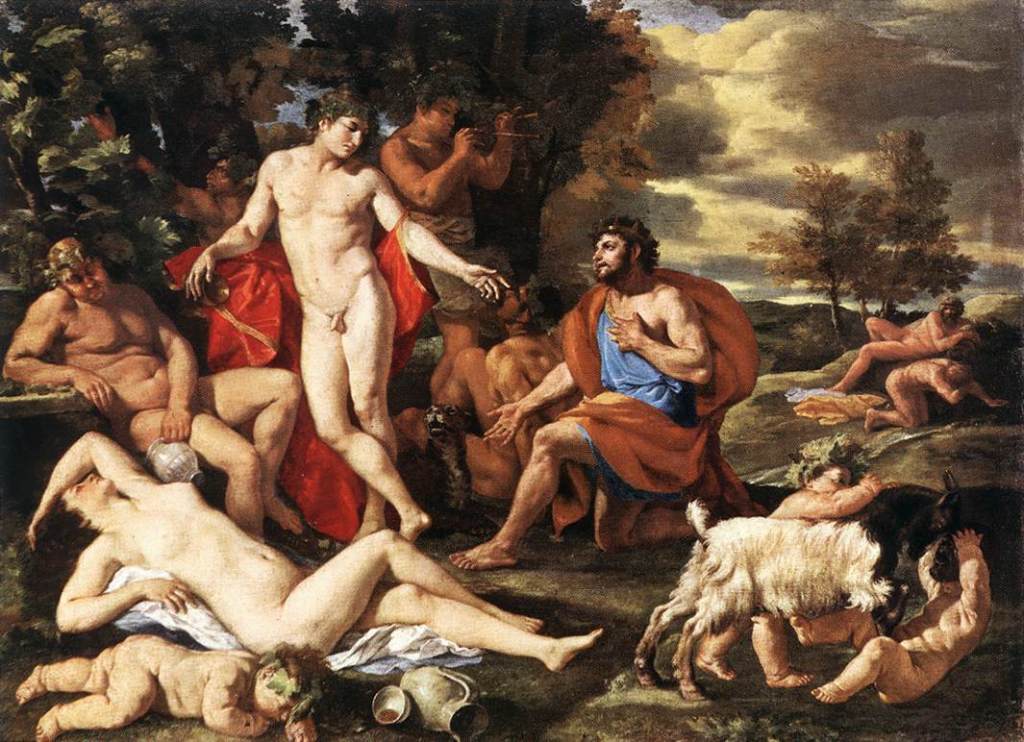
5. Morbus: Mental Sickness as a response to emotion
Last week we discussed the emotions (perturbationes), defining them as movements of the inward state (animus) away from rationality (ratio). Through the lens of the Stoic school of philosophy, we learnt that the emotions were not only bad, but within our control as well. Today, we will deepen our understanding…
-
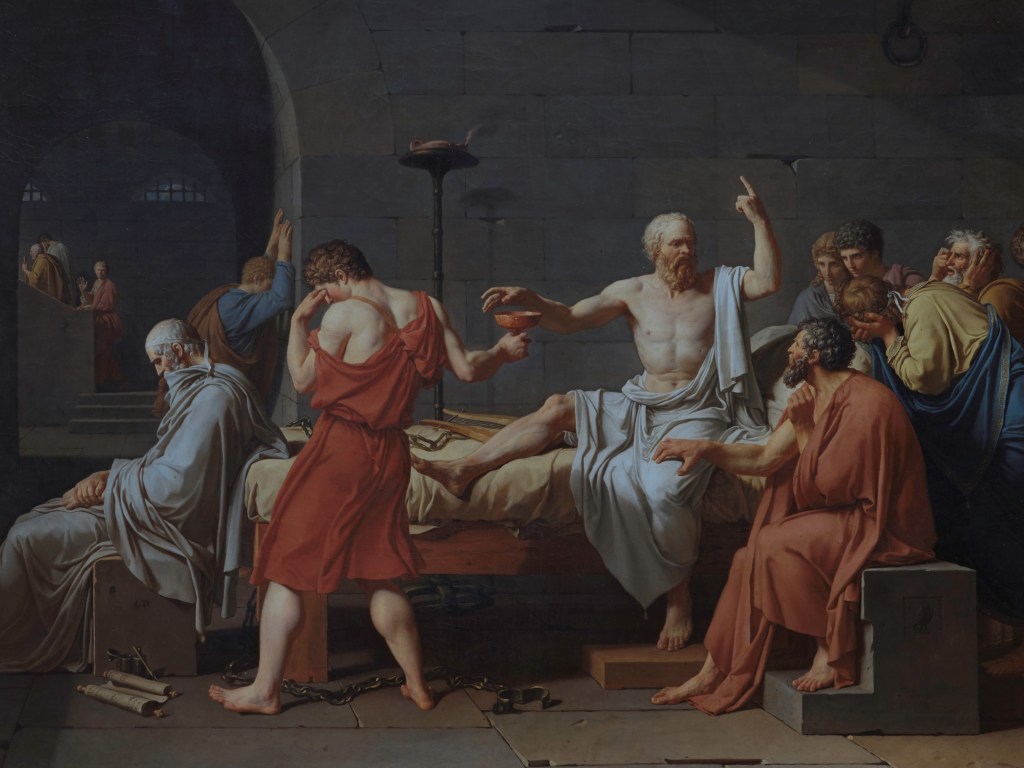
4. Perturbatio: The Stoics and Emotion
Now we have a grasp on the nature of rationality (ratio) and the inward state (animus), we are ready to take on a discussion of the Latin word perturbatio. Translated loosely, perturbatio is the word used to refer to an emotion. Although the word ‘perturbation’ exists in English, I am…
-

3. Animus: The Inward State and Ancient Psychology
In our previous discussion we spoke about ratiō and how Cicero understood rationality as something that the human mind had access to but did not have influence over. Rationality was sourced from nature and the guiding life essence, and it enabled the human mind to reason. But what do we…
 Via Ciceronis